

Milne, A.A. (1926) ‘Winnie-the Pooh’, UK first deluxe edition with signed letters
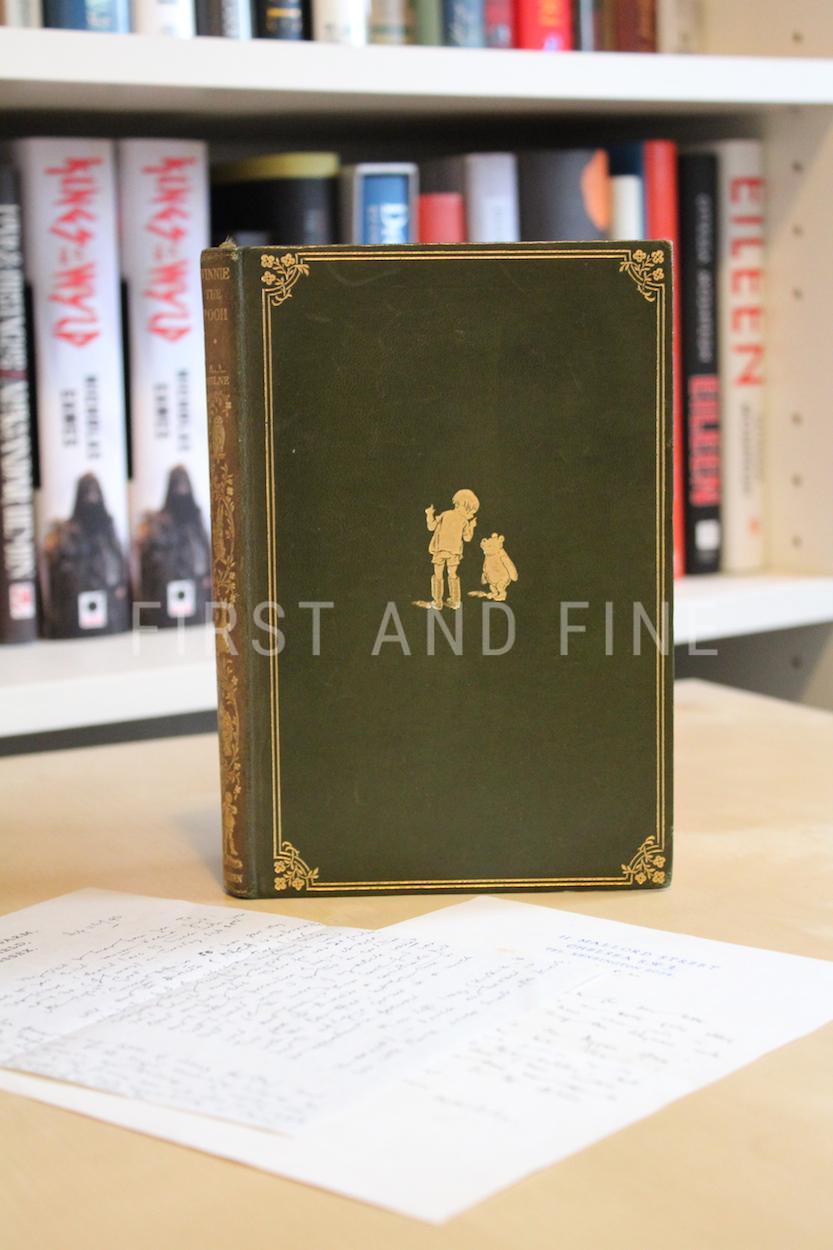
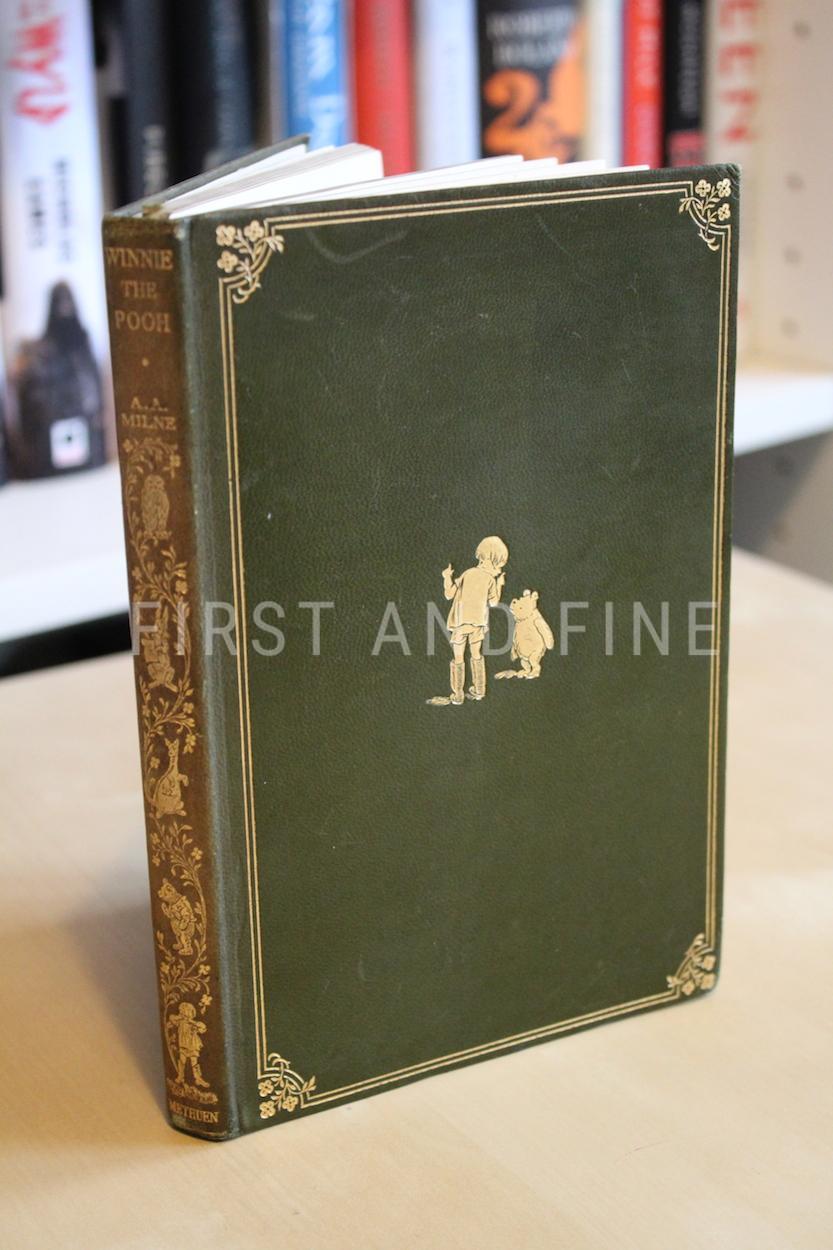
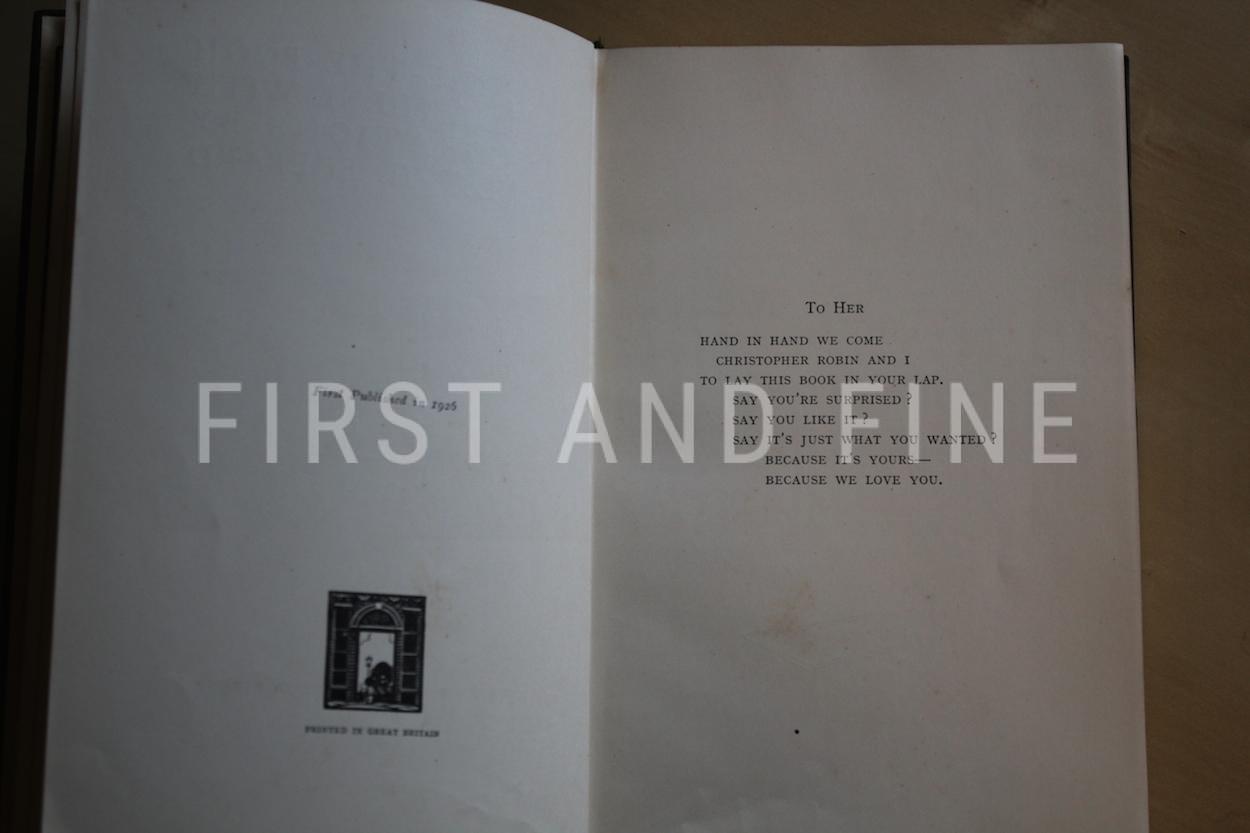
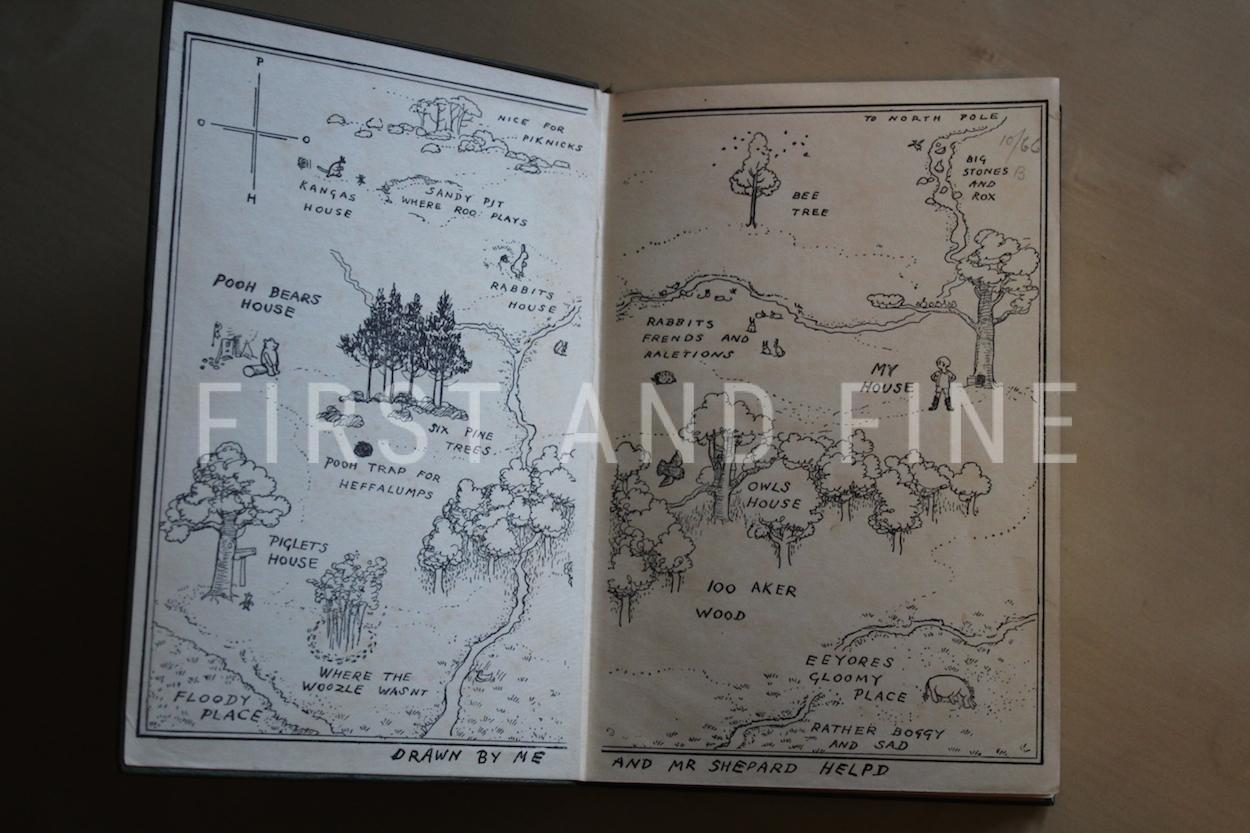
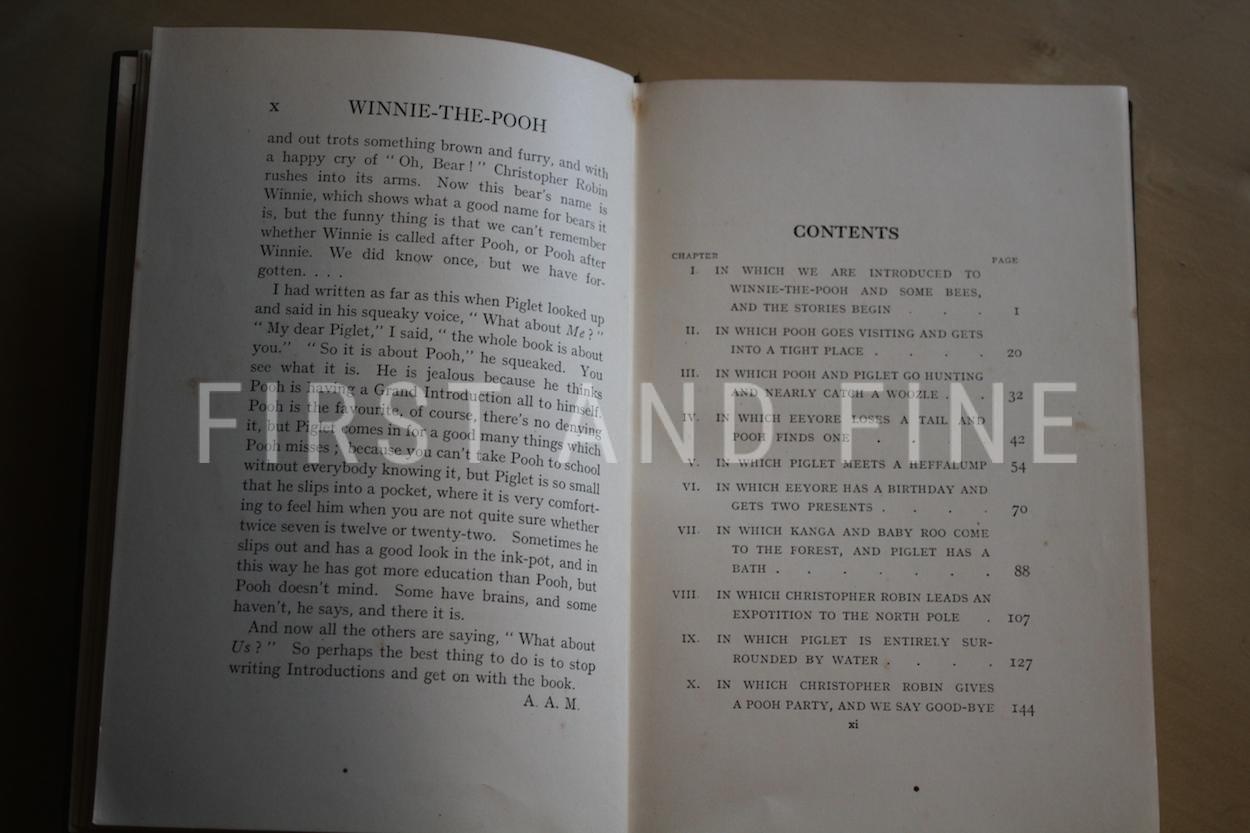
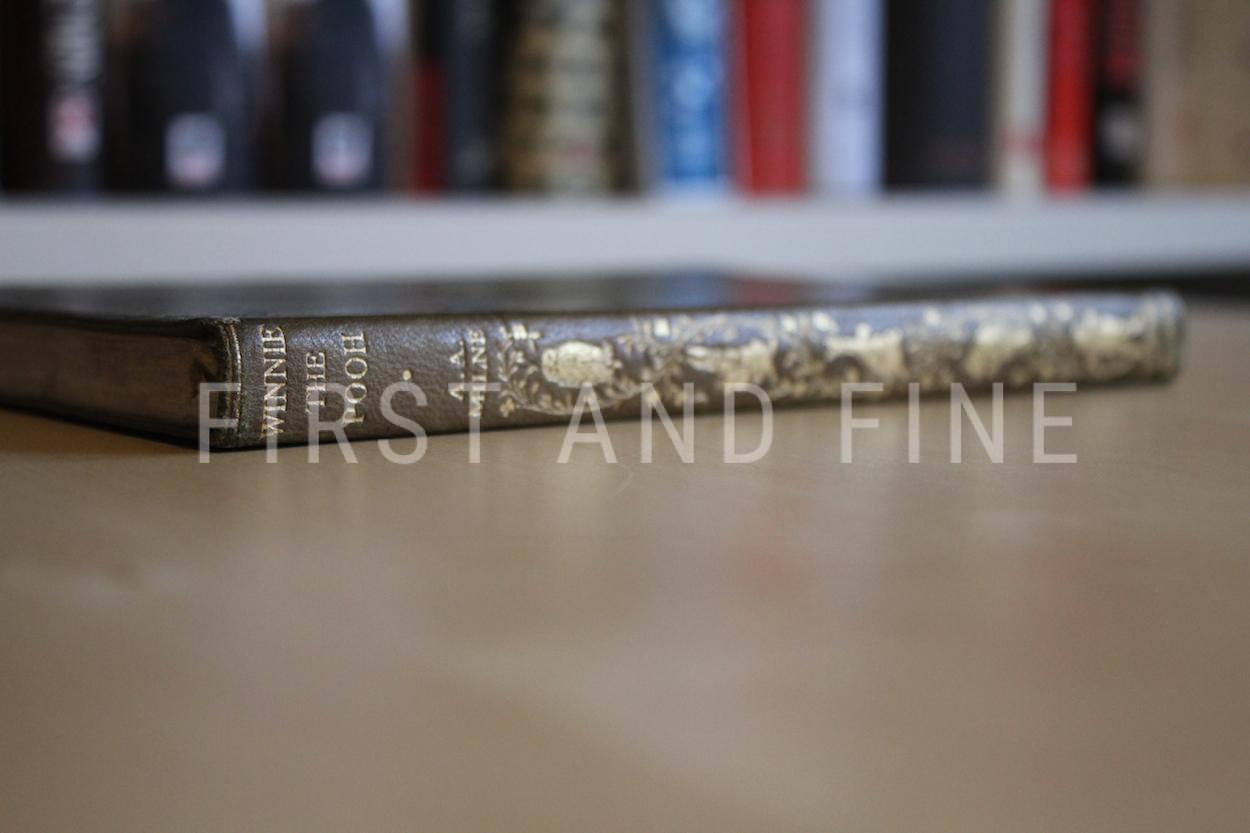
Alan Alexander Milne (1926) ‘Winnie-the-Pooh‘, UK first deluxe edition, first printing, published by Methuen. Included are two handwritten and signed letters by A.A. Milne addressed to his long-time friend Vincent Seligman (further details below). The book was the first deluxe edition published simultaneously with the first trade edition in 1926. However, whereas the print run of the first trade edition was 30,000, the deluxe edition was with 3,000 copies considerably lower. Moreover, the deluxe edition was furthermore divided into three variants: in green, red and blue calf. So this here is one of only 1,000 copies of which many will not have survived the passage of time in a decent condition. Also it is argued that the green deluxe variant is preferred over the blue and red variant as the first trade edition in cloth was green as well.
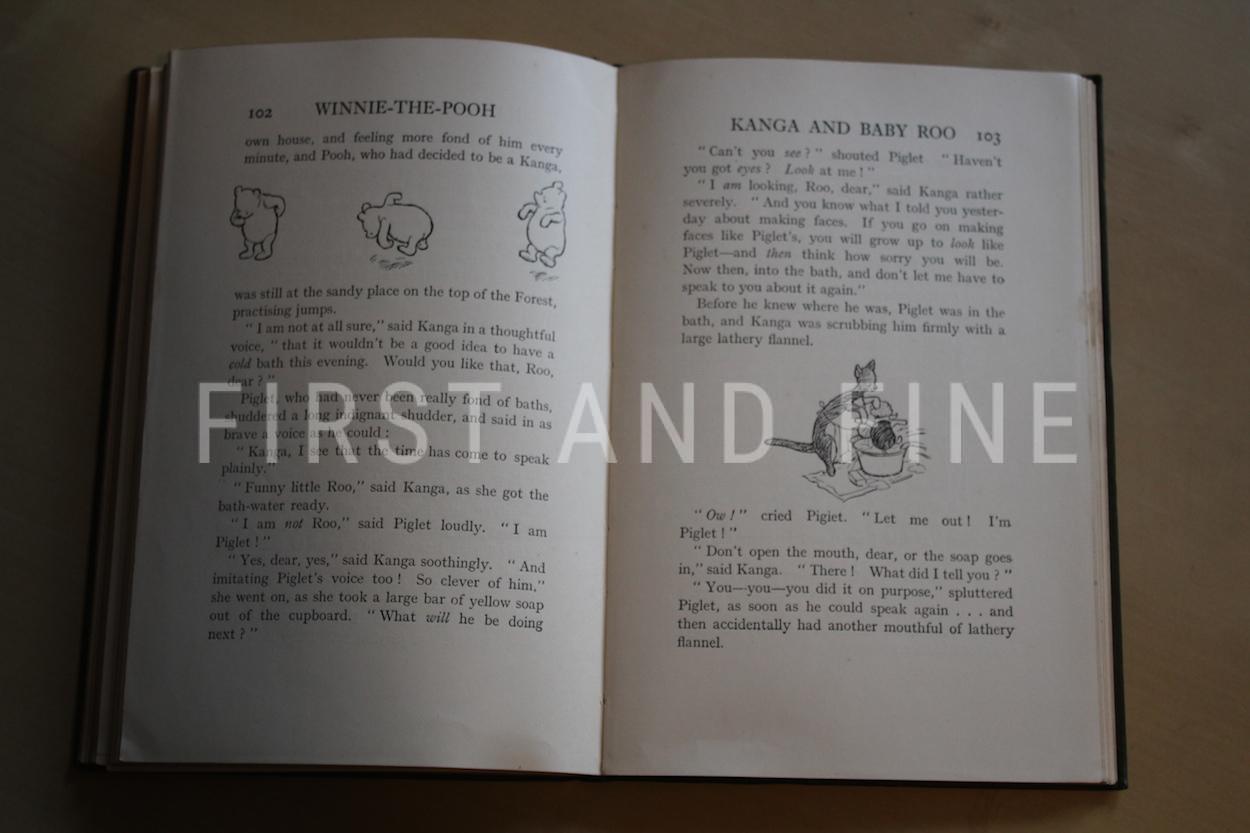
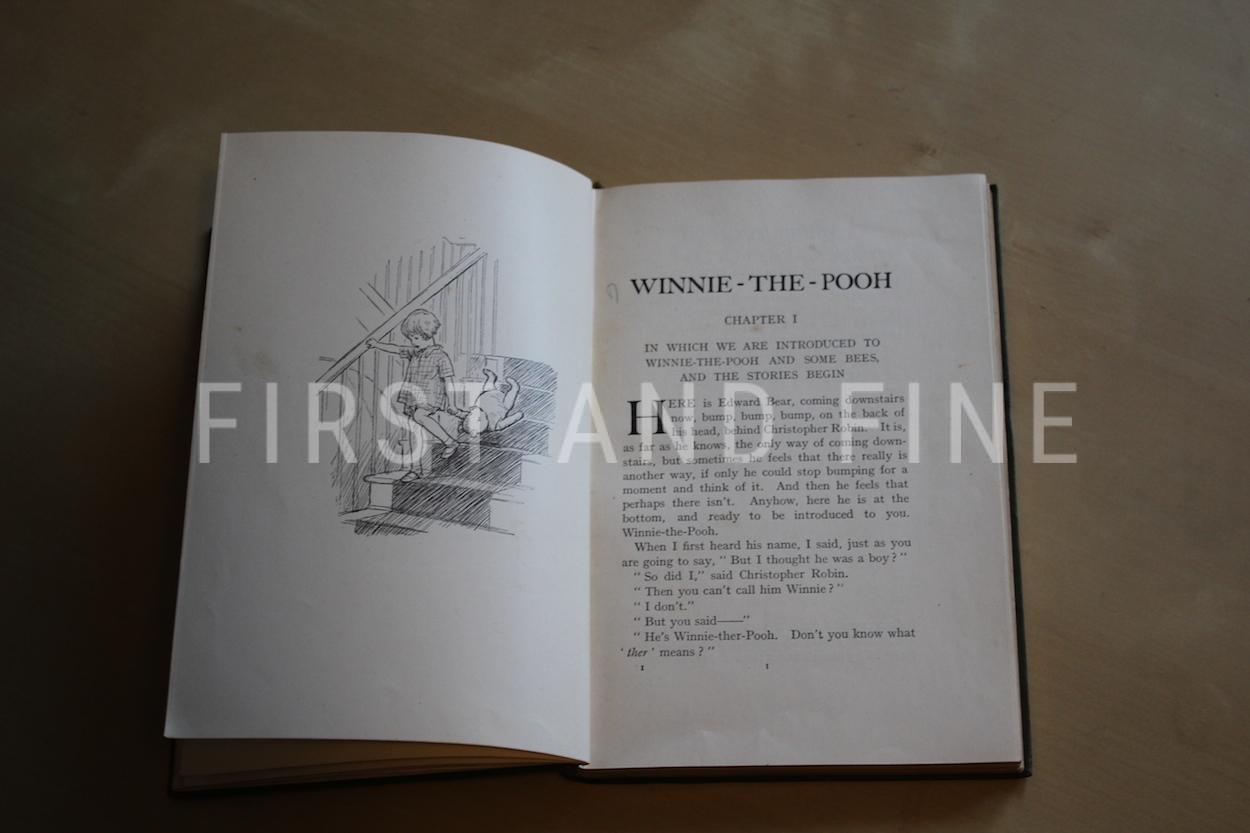
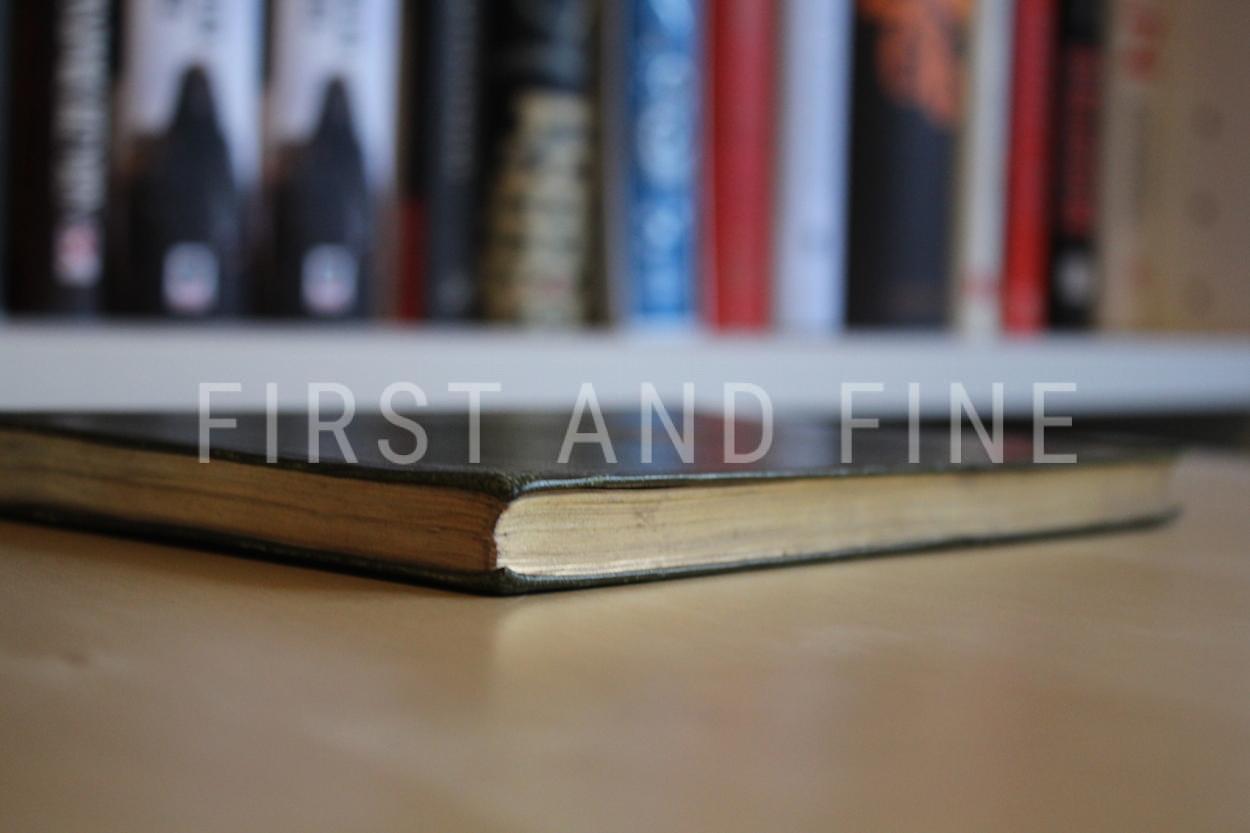
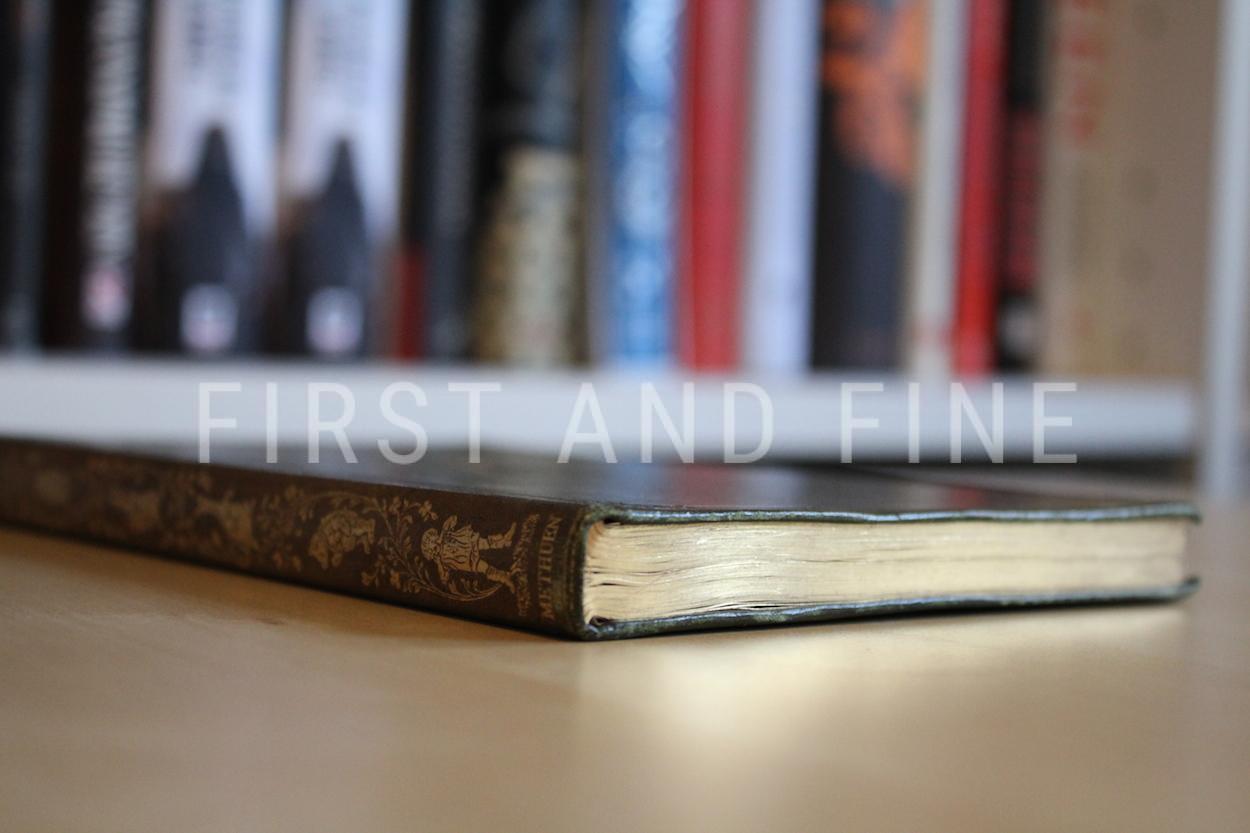
Condition of the book: a very good copy commensurate with age. There are no inscriptions of previous owners of any sorts, no bookplates, no stamps. Also, no child has coloured the drawings as sometimes seen. The leather binding is vibrant in its original colour and well preserved. The spine’s green colour is slightly faded. There are some minor scuffs and scratches that can be characterised as expected shelf wear. The Christopher Robin and Winnie embossing on the front cover is in beautifully preserved gold. The page block edges are nicely gilded. Paper is clean throughout with occasional very tiny stains as seen on the pictures. The fragile green silk bookmark is missing. Overall a very good example of this timeless classic which has been voted by the public as the best children book of all times.
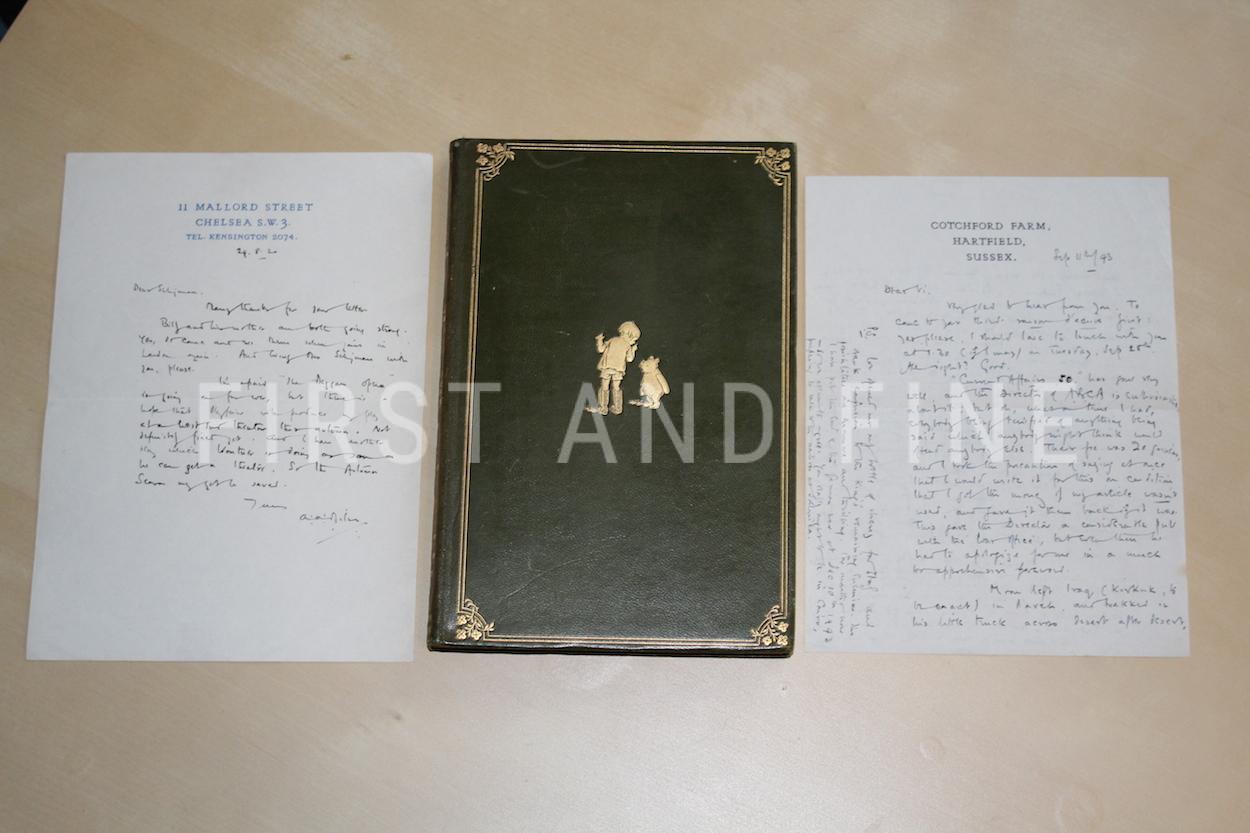
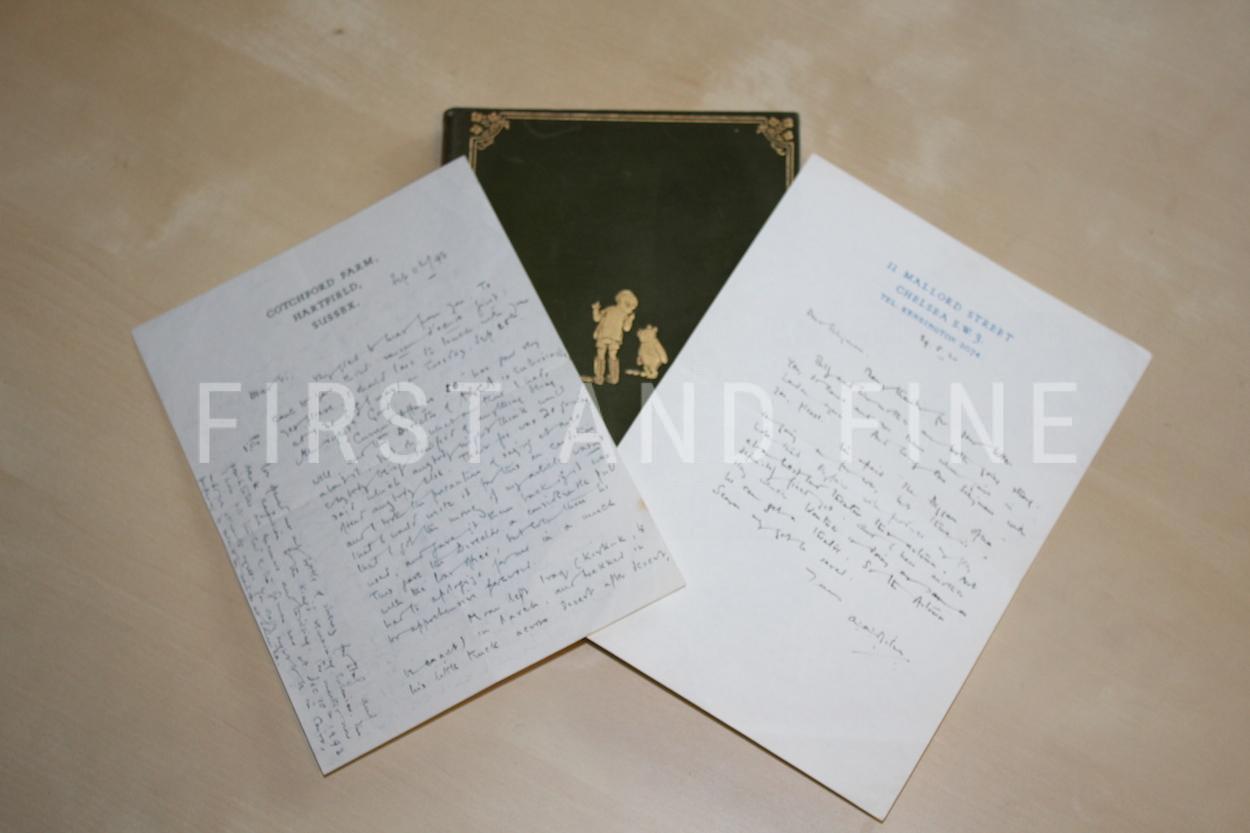
In addition the buyer will receive two amazing letters, handwritten and signed by AA Milne. Both letters have been certified as genuine and come with a life-long guarantee by University Archives. The letters are separated by 20 years and bear testimony to AA Milne’s relationship with his son, Christopher Robin. The first letter stems from Christopher’s birth, and the second letter from 1943 reporting on Christopher’s fight in Iraq in WWII.
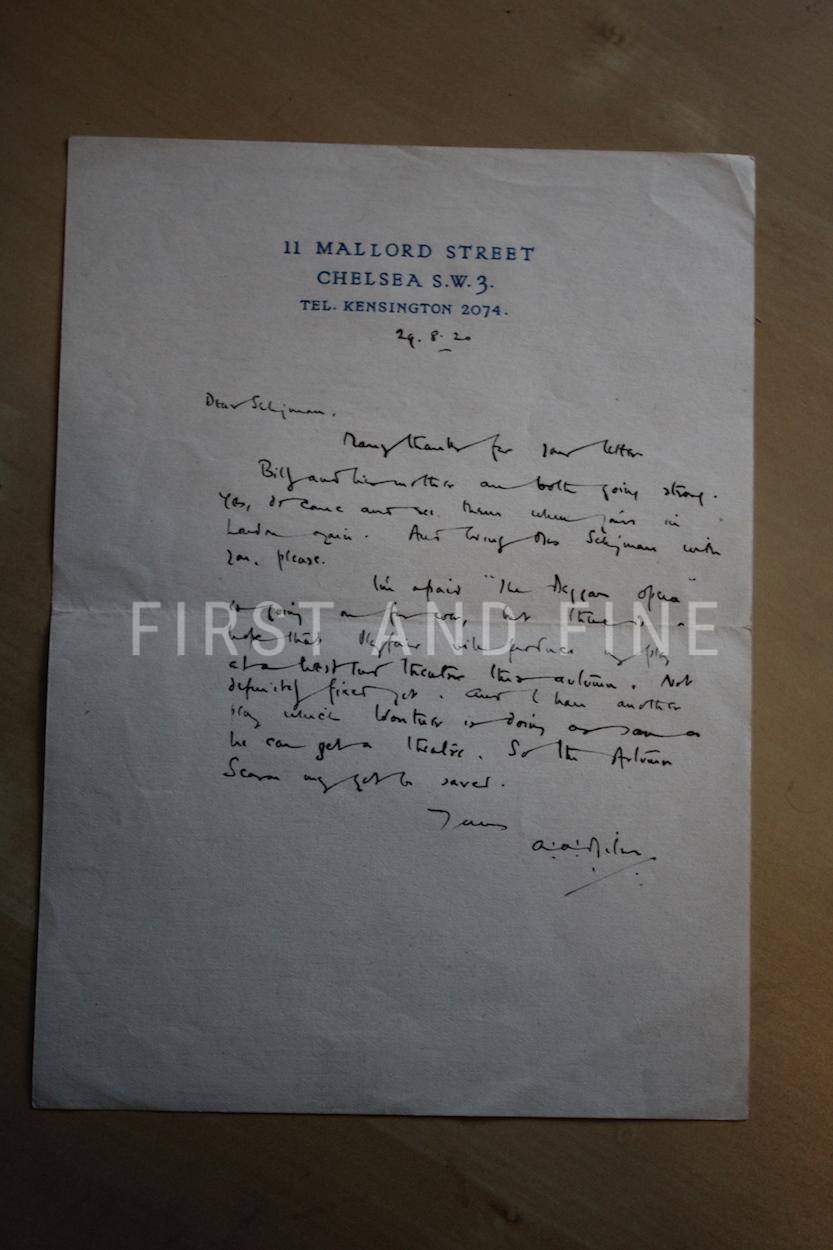
(1) One page, ALS, written on verso with recto left blank. Signed in full signature “A.A. Milne” and dated “29. 8. 20” (August 29, 1920). 5.5″ x 7.5″ on stationary with the letterhead of “13, Mallord Street, Chelsea, S.W.3. Tel Kensington 2074.” Expected center fold. Very soft rippling to the page. Near fine condition.
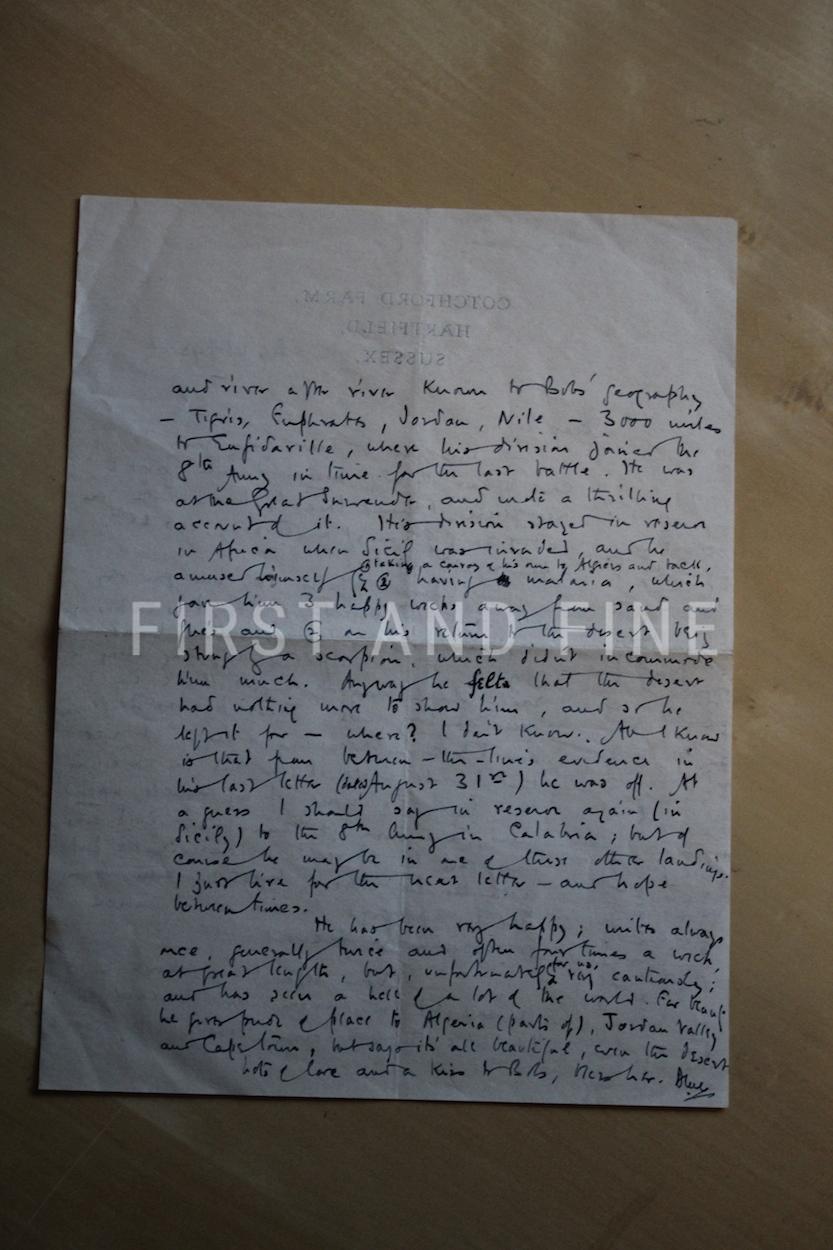
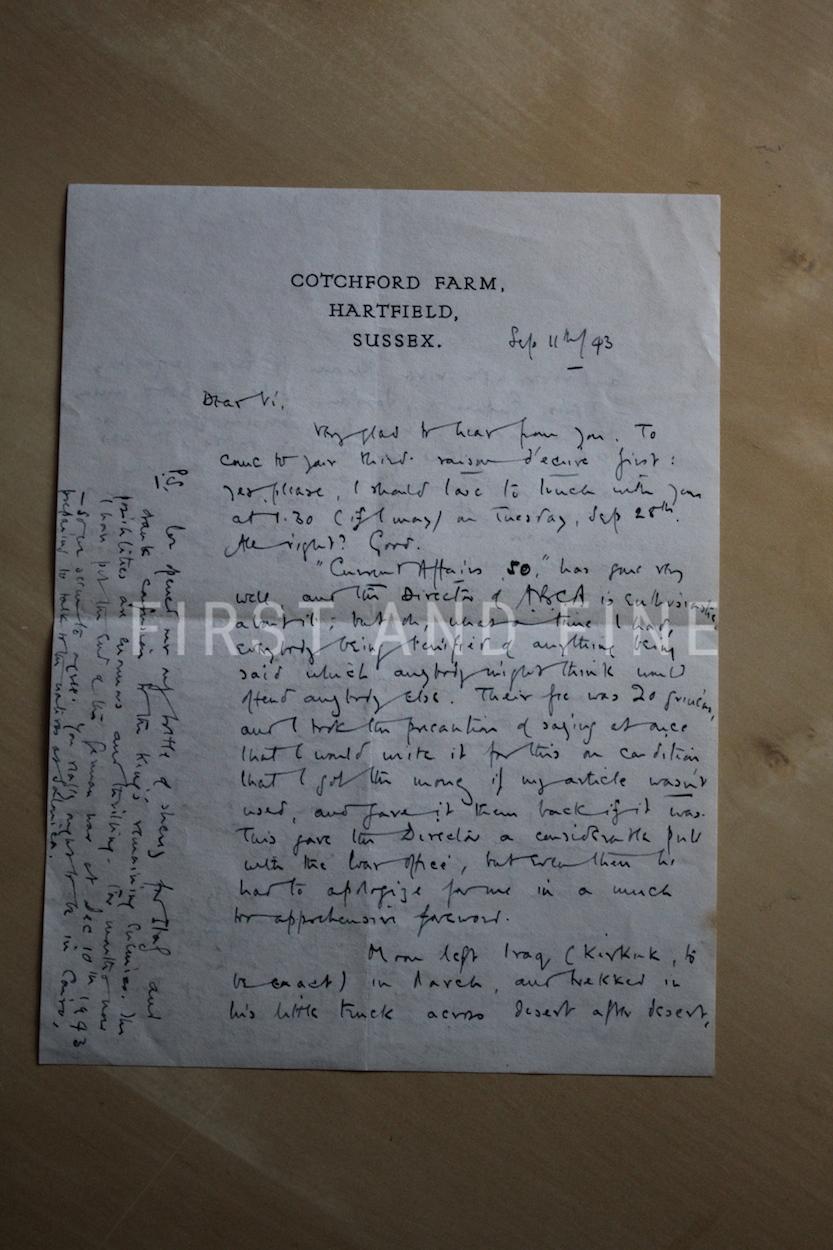
(2) One page ALS written on verso and recto, including a post script in the margins. Signed in Milne’s nickname “Blue” dated “Sep 11th/43”. 5.25″ x 7″ on stationary with the letterhead of “COTCHFORD FARM, HARTFIELD, SUSSEX”. Expected center fold. Near fine condition.
A stunning set of contrasting letters taking the reader from before the days of Winnie The Pooh, starting with the birth of Christopher Robin, whom Milne nicknamed “Billy” and later called “Moon,” and then to a fast forward look over 20 years later with Christopher Robin all grown up and going to war in Iraq during WWII. The letters were written by Milne to his close friend, Vincent Seligman. In Milne’s first letter, dated August 29, 1920, just one week after the birth of Christopher Robin, Milne writes exuberantly about his son saying “Billy and his mother are both going strong”. A wonderful letter with great content, taking the reader to a time before Milne’s huge literary breakthrough, and to the beginning with the birth of his son, Christopher Robin. In the balance of the letter, Milne also refers to “The Daggar Opera,” which at the time was a serialized American adventure film formally called “The Vanishing Daggar.” These serialized films would show over many many weeks, which no doubt must have felt to Milne like it was showing “forever.” Apparently, Milne had just concluded writing a new play, which was waiting for a theater opening in order for it to be shown. In his letter, he most likely was referring to his play “The Dover Road’, which eventually made it to a theater in New York (the Bijou) in late 1921.
The second letter was also written to Vincent Seligman, but over 20 years later and was now composed from Milne’s home at Cotchford Farm (Cotchfield Farm was the creative birthplace of Milne’s wonderful stories about his then young son, Christopher Robin, Winnie The Pooh – the honey loving bear, and their adventures in the Hundred Acre Woods). While reading Milne’s letter, one reflects on how the peaceful tranquility of those stories is suddenly shattered as one is transported from the youthful innocence and serenity of his son, Christopher Robin, who used to play and explore the woods with his stuffed animals, to the present day moment of the letter, dated September 11th, 1943, throwing the reader into the trenches of WWII, and discovering that Christopher Robin is now stationed in Iraq fighting in the war. In his letter, Milne notes that “Moon” (his nickname for Christopher Robin) “left Iraq (Kirkuk, to be exact) in March, and trekked in his little truck across desert after desert and river after river … where his division joined the 8th army in time for their last battle. He was at the Great Surrender, and wrote a thrilling account of it.” And in one quick moment, the reader realizes Christopher Robin is now all grown up, as has the rest of the world, and there was no going back.
Milne, who was Captain of the British Home Guard in WWII, otherwise makes several additional references to the war with his letter, shown in full below:
“Dear Vi, Sep 11th/43
Very glad to hear from you. To come to your third raison d’ecrire (reason to write) first:
Yes , please. I should love to lunch with you at 1:30 (if I may/ on Tuesday, Sept 28th. All right? Good.
“Current Affairs 50” has gone very well, and the Director of ABCA is enthusiastic about it: but oh, what a time I had. Everybody being terrified of anything being said which anybody might think would offend anybody else. Their fee was 20 (illegible) and I took the precaution of saying at once that I would write it for this on condition that I got the money if my article wasn’t used, and (illegible) … if it was. This gave the Director a considerable pull with the war office, but even then he had to apologize for me in a much too apprehensive foreward
Moon left Iraq (Kirkuk, to be exact) in March, and trekked in his little truck across desert after desert and river after river known to Bob’s geography – Tigris, Euphrates, Jordan, Nile – 3000 miles to ? Eufidarille?, where his division joined the 8th army in time for their last battle. He was at the Great Surrender, and wrote a thrilling account of it. His division staged in (illegible) in Africa when Sicily was invaded, and he amused himself (1) taking a convoy of his own to Algiers and back and 2) having malaria which for him three happy weeks away from sand and flies and on his return to the desert being stung by a scorpion, which didn’t (illegible) him much. Anyway he felt that the desert had nothing more to show him, and so he left it for — where? I don’t know. All I know is that from between – the – lines evidence in his last letter (dates August 31st) he was off. At a guess I should say in reserve again (in Sicily) to the 8th Army in Calabria, but of course he may be in one of those other landings. I just live for the next letter – and hope between times.
He has been very happy; writes always once, generally twice and often four times a week. At great length, but unfortunately for us, very cautiously: and has seen a hell of a lot of the world. For … he gives … a place to Algeria (parts of), Jordan Valley and Cape town, but says it’s all beautiful, even the desert.
Lots of love and kiss for Bobs, …. Blue
P.S. opened my bottle of sherry for Italy and drank confusion to the King’s remaining enemies. The possibilities are enormous and thrilling. For months now I have put the end of this German war at Dec 10th, 1943 … you really ought to be in Cairo preparing to talk to the natives at Salonica.”
An incredible set of letters from the author of arguably one of the most beloved children’s stories of the 20th century, referencing his son, Christopher Robin, the pivotal catalyst for the birth of the stories of Winnie The Pooh.
Milne’s letter was written to Vincent Seligman, who was a German Jew whose family emigrated to London and the United States in the 19th century.
| Weight | 1.8 kg |
|---|
Sold
Out of stock
Related products
-
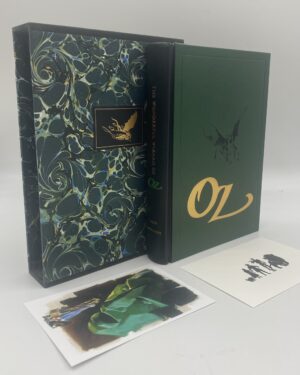
Baum, Frank L. (2024) ‘The Wonderful Wizard of Oz’, UK signed limited edition published by Lyra’s Books
£1,350.00 -
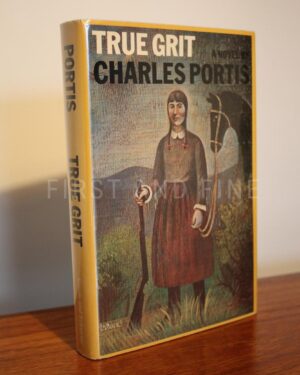
Portis, Charles (1968) ‘True Grit’, US signed and inscribed first edition
£3,000.00 -
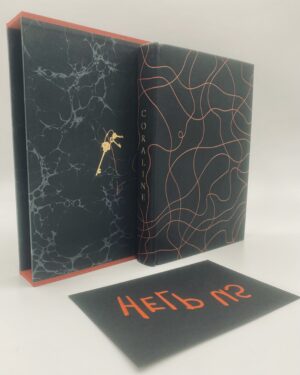
Gaiman, Neil (2023) ‘Coraline’, UK signed limited edition, published by Lyra’s Books
£1,000.00 -
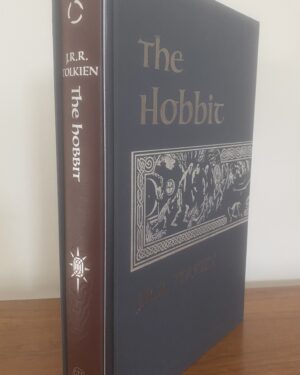
Tolkien, J.R.R. (2024) ‘The Hobbit’, UK illustrated limited edition, signed by Alan Lee
£1,250.00